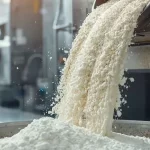
Sugar reduction has moved from a niche health trend to a core formulation requirement across almost every category of food and beverage manufacturing. Whether it’s driven by health star rating targets, retailer demands, or shifting consumer preferences, manufacturers are under constant pressure to cut sugar without cutting taste, texture, or shelf appeal.
Monk fruit extract has become one of the most reliable answers to that challenge. As demand grows for a dependable monk fruit extract supplier in Australia, more product development teams are learning how to work with this natural sweetener effectively, and where it fits best across different formulations.
What Is Monk Fruit Extract?
Monk fruit extract is derived from the monk fruit (Siraitia grosvenorii), a small melon native to southern China. The sweetness in monk fruit comes from naturally occurring compounds called mogrosides, which can be up to 250 times sweeter than sugar depending on the extract’s concentration, yet contribute virtually no calories.
Because it’s extracted directly from the fruit rather than synthesised, monk fruit extract fits firmly into the clean label sweeteners category that Australian consumers and manufacturers are increasingly gravitating toward. It’s typically supplied as a fine powder or liquid concentrate, with different mogroside concentrations available depending on the intended application and desired sweetness intensity.
Monk fruit has a long history of traditional use in southern China, where it was historically used in herbal preparations long before its sweetening properties were commercialised for the global food industry. Today, extraction methods have advanced considerably, allowing suppliers to isolate and concentrate mogrosides to consistent, food-grade standards suitable for large-scale manufacturing. This shift from a traditional ingredient to a commercially viable functional sweetener is a big part of why monk fruit extract has moved from a specialty item into mainstream formulation work across bakery, beverage, dairy, and confectionery categories.
Monk Fruit Extract Benefits for Food Manufacturers
Understanding the practical benefits of monk fruit extract helps explain why it has become such a popular tool in modern formulation work.
Zero to negligible calories: Monk fruit extract contributes little to no calories, making it a strong fit for reduced-calorie and sugar-free product claims. This makes it particularly valuable for manufacturers targeting health-conscious segments, including diabetic-friendly and weight-management product lines.
High sweetness intensity: Because it’s so much sweeter than sugar by weight, only small quantities are needed to achieve the desired sweetness, which simplifies formulation and reduces ingredient costs per unit of sweetness delivered. In practical terms, this means usage rates are often measured in fractions of a percent of total formulation weight, rather than the much larger quantities required for sugar.
Heat stability: Monk fruit extract holds up well under baking and pasteurisation temperatures, making it suitable for a wide range of processing conditions without breaking down or losing sweetness. This is an important advantage over some alternative sweeteners that can degrade or lose potency when exposed to high processing temperatures.
Clean taste profile: Compared to some high-intensity sweeteners, monk fruit extract is often noted for a cleaner sweetness with less bitter or metallic aftertaste, particularly when blended thoughtfully with other sweetening systems. This clean taste profile is one of the main reasons it has gained traction over older-generation high-intensity sweeteners in premium product formulations.
Natural origin appeal: As a natural sugar alternative, monk fruit extract supports clean label claims and resonates with health-conscious consumers looking for recognisable, plant-derived ingredients on the label. In a market where consumers increasingly scrutinise ingredient panels, being able to list a fruit-derived sweetener rather than a synthetic one can be a genuine point of difference on shelf.
How to Use Monk Fruit Extract in Formulations
Successfully incorporating monk fruit extract into a product isn’t always as simple as a direct sugar swap. Its high sweetness intensity and lack of bulk mean formulators need to think through a few key considerations.
1. Account for Missing Bulk
Sugar does more than sweeten; it also contributes bulk, texture, browning, and moisture retention. Because monk fruit extract is used in such small quantities, formulators often need to pair it with bulking agents such as polydextrose or other fibres to replace the volume and functional properties lost when sugar is reduced or removed.
2. Blend for Balanced Sweetness
Monk fruit extract is frequently combined with other natural sweeteners, such as stevia or erythritol, to create a more balanced, sugar-like taste profile. Blending helps smooth out any lingering aftertaste and allows formulators to fine-tune sweetness intensity more precisely than using monk fruit extract alone.
3. Adjust for Application Type
- Beverages: Monk fruit extract dissolves well in liquid formulations, making it a popular sweetener solution for beverage manufacturers working on reduced-sugar soft drinks, flavoured waters, and functional beverages.
- Bakery: In baked goods, monk fruit extract needs to be paired with bulking agents to replicate the structure and browning normally provided by sugar.
- Dairy: In yoghurts, flavoured milks, and ice cream, monk fruit extract can help reduce added sugar while maintaining a pleasant sweetness profile when blended appropriately.
- Confectionery: Because monk fruit extract lacks the crystalline structure of sugar, it’s often used alongside sugar alcohols or fibres to maintain texture in candies and chewable products.
4. Test at Application-Specific Concentrations
Sweetness perception can vary significantly depending on the food matrix, temperature, and other ingredients present. Bench trials at the intended production scale are essential to fine-tune usage rates and ensure the final product meets taste expectations consistently.
Monk Fruit Extract as Part of a Broader Sugar Reduction Strategy
Monk fruit extract rarely works in isolation. It’s most effective as part of a broader toolkit of functional sweeteners in Australia, used alongside ingredients like stevia, polydextrose, and trehalose to address the multiple challenges that come with sugar reduction: sweetness, bulk, texture, and stability.
Manufacturers working with a single food ingredient supplier in Australia that can provide monk fruit extract alongside these complementary ingredients gain a real advantage. It simplifies procurement, ensures ingredient compatibility has already been considered, and reduces the number of supplier relationships needed to execute a full reformulation project.
Why Sourcing Quality Matters
Not all monk fruit extract is created equal. Mogroside concentration, processing method, and purity can vary significantly between suppliers, which directly affects sweetness intensity, taste profile, and how predictably the ingredient performs in a formulation. When sourcing food grade monk fruit extract, manufacturers should look for:
- Consistent mogroside concentration batch to batch, so sweetness levels don’t drift between production runs
- Full documentation, including certificates of analysis and specification sheets
- Bulk supply capability for manufacturers scaling production or supplying larger retail contracts
- Technical support for guidance on usage rates, blending ratios, and application-specific formulation advice
Working with a bulk monk fruit extract supplier that can guarantee this level of consistency removes much of the guesswork from reformulation projects and protects product quality as production scales.
Where Monk Fruit Extract Fits in the Bigger Picture
As more manufacturers look for natural sugar alternatives for beverages and packaged foods, monk fruit extract has earned its place as one of the more versatile and consumer-friendly options available. It checks the boxes that matter most: naturally derived, low or zero calorie, heat stable, and compatible with a wide range of product categories.
Combined with complementary natural sweetening ingredients and functional ingredients, monk fruit extract gives manufacturers a genuine pathway to reformulate products that meet reduced-sugar targets without compromising on the taste and texture consumers expect.
At Food Ingredient Australia, we supply food-grade monk fruit extract alongside a full range of natural sweeteners and functional ingredients to help manufacturers formulate with confidence.
Frequently Asked Questions
- How much sweeter is monk fruit extract than sugar?
A: Depending on the mogroside concentration, monk fruit extract can be anywhere from 100 to 250 times sweeter than sugar by weight, which is why it’s used in very small quantities within a formulation. - Can monk fruit extract be used in baking?
A: Yes. Monk fruit extract is heat stable and performs well in baked goods, though it’s typically paired with a bulking agent to replace the volume, texture, and browning that sugar would normally provide. - Does monk fruit extract have an aftertaste?
A: Monk fruit extract is generally noted for a relatively clean sweetness, though at high concentrations some formulations can develop a mild aftertaste. Blending with other sweeteners often helps balance the overall flavour profile. - Is monk fruit extract suitable for beverage formulations?
A: Yes. It dissolves easily in liquid applications, making it a popular choice for reduced-sugar soft drinks, flavoured waters, and functional beverages. - What should manufacturers look for in a monk fruit extract supplier?
A: Manufacturers should prioritise consistent mogroside concentration, full documentation and certificates of analysis, bulk supply capability, and technical support for formulation guidance.