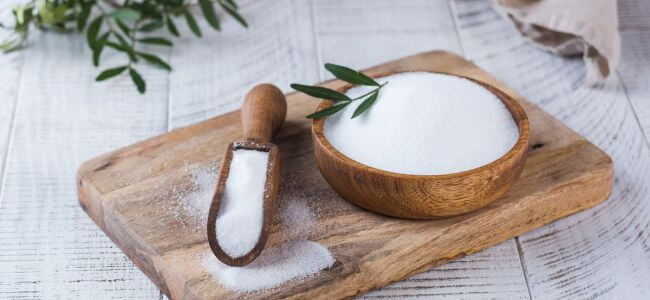
Erythritol has quietly moved from a niche ingredient to a mainstream sweetening solution across Australia. As consumers cut back on sugar without wanting to sacrifice taste, food and beverage brands are reworking formulations at speed. This shift has placed erythritol in a strong position, especially in products that target calorie reduction, sugar-free claims and clean labeling.
Australia’s focus on health, transparency and product quality has created ideal conditions for erythritol to grow. From beverages and baked goods to nutraceuticals and tabletop sweeteners, demand is rising steadily. This article outlines the current erythritol market outlook in Australia, explains where demand is coming from, highlights the most promising growth sectors, and examines supply chain realities that businesses need to understand. The goal is to provide practical insight for manufacturers, distributors and formulators working with food ingredients in Australia.
The Current State of the Erythritol Market in Australia
The erythritol market in Australia has shown consistent growth over the past few years. While still smaller than traditional sweeteners such as sucrose or glucose syrups, erythritol has secured a firm place in the low and zero-sugar category.
Australian consumers are well informed and label-conscious. They actively look for sugar alternatives that do not cause blood sugar spikes or digestive discomfort. Erythritol meets these expectations better than many other polyols due to its near-zero calorie content and minimal impact on insulin response.
From a regulatory perspective, erythritol is approved for use in Australia and New Zealand under Food Standards Australia New Zealand guidelines. This regulatory clarity has encouraged broader adoption across packaged foods, beverages, and supplements.
Market data indicate that demand for erythritol in Australia is closely linked to the growth of sugar-free and reduced-sugar products. Large food brands, start-ups, and private-label manufacturers are all contributing to volume growth, particularly in urban markets where health trends take hold fastest.
Key Drivers Fueling Demand for Erythritol in Australia
a) Health and Sugar Reduction Trends
One of the strongest drivers of erythritol demand in Australia is the push to reduce sugar intake. Public health campaigns, rising obesity concerns and increased awareness of diabetes have changed consumer buying habits. Shoppers are actively checking sugar content and seeking alternatives that align with healthier lifestyles.
Erythritol stands out because it delivers sweetness without contributing to tooth decay or raising blood glucose levels. This makes it appealing not only to general consumers but also to diabetics and those following low-carb or keto diets.
b) Clean Label and Natural Positioning
Australian consumers place a high value on ingredient transparency. While erythritol is produced through fermentation, it is often perceived as a more acceptable option compared to artificial sweeteners. When labeled clearly and used responsibly, it fits well within clean label strategies.
Brands that communicate the source, function, and benefits of erythritol tend to build stronger trust with consumers. This has increased its inclusion in products positioned as natural, better-for-you, or wellness-focused.
c) Taste and Functional Benefits
Taste remains critical. Many alternative sweeteners suffer from bitter or metallic aftertastes, limiting their use. Erythritol has a clean sweetness profile and works well when blended with stevia or monk fruit. It also provides bulk and texture, which is essential in baked goods and confectionery.
These functional advantages have made erythritol a practical choice for formulators aiming to replace sugar without compromising product quality.
Growth Sectors Driving Erythritol Consumption
1. Food and Beverage Manufacturing
The food and beverage sector is the largest consumer of erythritol in Australia. It is widely used in sugar-free beverages, flavored waters, protein bars, baked goods, confectionery and frozen desserts.
For example, reduced-sugar cookies and cakes increasingly rely on erythritol blends to maintain texture and mouthfeel. In beverages, it helps deliver sweetness without adding calories or affecting clarity.
The erythritol market outlook in Australia remains particularly strong in this sector as brands continue to reformulate existing products and launch new low-sugar ranges.
2. Sports Nutrition and Functional Foods
Australia has a mature sports nutrition market, driven by gym culture, endurance sports, and outdoor lifestyles. Products such as protein powders, meal replacement shakes and energy bars often include erythritol to keep sugar levels low while maintaining palatability.
Functional foods targeting gut health, weight management and metabolic balance are also adopting erythritol as a core ingredient. Its compatibility with other functional ingredients makes it a flexible option for product developers.
3. Pharmaceuticals and Nutraceuticals
Erythritol is gaining traction in pharmaceuticals and nutraceuticals, particularly in chewable tablets, syrups and lozenges. Its tooth-friendly nature and non-cariogenic properties are especially valuable in oral health products.
Dietary supplements aimed at diabetics or sugar-sensitive consumers often rely on erythritol to ensure safety and compliance. This segment may not consume the highest volumes, but it offers stable demand and premium pricing opportunities.
4. Tabletop Sweeteners and Home Use
Tabletop sweeteners are another growing segment. As more consumers experiment with baking and cooking at home, erythritol-based sweeteners are finding space on supermarket shelves.
Brands that combine erythritol with stevia or monk fruit are gaining popularity, offering balanced sweetness and easy substitution for sugar in recipes.
Supply Chain Structure and Sourcing Realities
1. Dependence on Imports
Australia does not currently produce erythritol at a large commercial scale. Most of the supply is imported, primarily from Asia, where fermentation-based production is well established.
This reliance on imports exposes the market to global price fluctuations, shipping delays and currency movements. Businesses operating in the erythritol market in Australia must factor in lead times and inventory planning to avoid disruptions.
2. Quality and Consistency Considerations
Not all erythritol is the same. Particle size, purity, and production methods can vary between suppliers. For food manufacturers, consistency is critical to ensure stable product performance.
Reputable ingredient suppliers in Australia play a key role by sourcing from trusted manufacturers, conducting quality checks, and offering technical support. Companies such as Food Ingredients Australia help bridge the gap between global producers and local manufacturers by ensuring reliable supply and compliance.
3. Logistics and Storage
Erythritol is relatively stable, but proper storage is still important. Moisture control and temperature management help maintain product quality. Australian distributors often invest in controlled storage facilities to support food-grade requirements.
Logistics planning has become more important in recent years due to shipping volatility. Businesses that diversify sourcing or maintain buffer stock are better positioned to manage supply chain challenges.
Pricing Trends and Competitive Dynamics
Pricing in the erythritol market in Australia has seen fluctuations, largely driven by global supply-demand balance and freight costs. During periods of high demand or supply constraints, prices can rise sharply.
Despite this, erythritol remains competitive compared to other specialty sweeteners when evaluated on functionality and consumer acceptance. Manufacturers often justify the cost due to reduced formulation risks and better product outcomes.
Competition among suppliers is increasing, leading to improved service levels, technical guidance and customized solutions. Buyers are no longer choosing suppliers based on price alone but also on reliability, documentation and application support.
Challenges and Risks Facing the Market
1. Regulatory and Labeling Scrutiny
While erythritol is approved for use, labeling requirements must be followed carefully. Claims related to sugar reduction, calorie content or health benefits are closely monitored in Australia.
Manufacturers must ensure that product claims are accurate and supported by formulation data. Working with experienced ingredient partners helps reduce compliance risks.
2. Consumer Misunderstanding
Although erythritol is generally well tolerated, some consumers confuse it with other sugar alcohols that may cause digestive discomfort. Clear communication and responsible formulation are essential to avoid negative perceptions.
Education through packaging, marketing and customer support plays a role in building trust and long-term acceptance.
3. Market Saturation in Certain Segments
As more brands enter the low-sugar space, competition is intensifying. Products that rely solely on a sugar-free claim may struggle unless they also deliver strong taste, texture and value.
This makes formulation expertise and ingredient quality even more important for sustained success.
Future Outlook for the Erythritol Market in Australia
Looking ahead, the erythritol market outlook in Australia remains positive. Demand is expected to grow steadily as sugar reduction continues to influence consumer behavior and regulatory frameworks.
Innovation will likely focus on better sweetener blends, improved mouthfeel, and cleaner labeling. There is also potential for local or regional production initiatives if demand reaches sufficient scale, though this would require significant investment.
Sustainability considerations may also shape sourcing decisions, with buyers seeking transparency around production methods and environmental impact.
For food manufacturers, nutraceutical brands, and distributors, erythritol supplier offers a reliable path to meet evolving consumer expectations without sacrificing product performance.
Conclusion: Moving Forward With Confidence in the Australian Market
Erythritol has secured its place as a key ingredient in Australia’s evolving food and health sectors. Strong demand, broad application potential, and growing consumer acceptance make it a valuable component of modern formulations.
However, success in the erythritol market in Australia depends on more than demand alone. Reliable supply chains, consistent quality, regulatory compliance, and clear communication all play a role.
Companies working with trusted partners such as Food Ingredients Australia can navigate these complexities more effectively, ensuring access to high-quality erythritol food powder and technical support tailored to local market needs.
For businesses planning new product launches or reformulations, now is the right time to assess how erythritol fits into their strategy. With the right approach, it offers both commercial opportunity and long-term relevance in Australia’s health-focused marketplace.