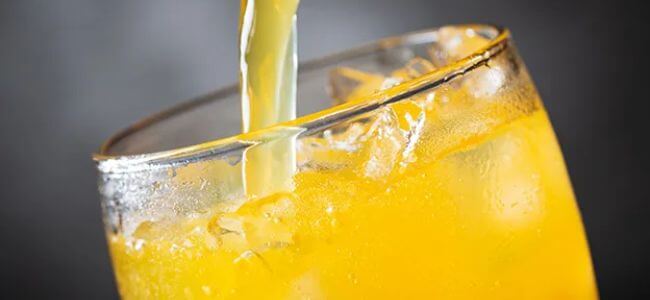
In the competitive world of ready-to-drink (RTD) beverages, consistency is everything. Whether it’s a vitamin-fortified juice, a flavored water, or a plant-based dairy alternative, consumers expect a smooth, uniform texture from the first sip to the last. However, maintaining that uniformity isn’t always easy—especially when oils, flavors, and other hydrophobic ingredients need to stay evenly dispersed in a water-based system.
That’s where emulsion stability comes into play. A stable emulsion ensures that your beverage looks appealing, tastes consistent, and retains its nutritional and sensory qualities throughout its shelf life. Yet, creating and maintaining that stability requires more than just good mixing. It’s a fine balance of formulation science, ingredient selection, and process control.
This article explains how to optimize emulsion stability in RTD beverages, focusing on key formulation strategies, process parameters, and the role of an effective stabiliser for beverage emulsions. It also explores real-world examples and practical tips that manufacturers can use to prevent separation, creaming, or sedimentation—all without compromising flavor or mouthfeel.
Understanding Emulsions in RTD Beverages
An emulsion is a mixture of two immiscible liquids—typically oil and water—where one phase is finely dispersed within the other. In beverage applications, this usually means dispersing flavor oils, vitamins, or fat-soluble nutrients into water. Because oil and water naturally separate over time, a stabiliser or emulsifier is essential to keep the system uniform.
Common Examples of Beverage Emulsions
- Flavored waters and energy drinks: Often contain essential oils like lemon, orange, or peppermint that require emulsification.
- Juice-based drinks: Use emulsions to deliver clouding agents or flavor oils consistently.
- Nutritional shakes and dairy alternatives: Include oil-soluble vitamins or fats that need stable dispersion.
Why Emulsion Stability Matters
Unstable emulsions can lead to:
- Visible oil separation or ring formation at the top of the bottle.
- Loss of flavor intensity over time.
- Uneven mouthfeel or texture.
- Reduced shelf life and consumer acceptance.
For manufacturers, this means potential product recalls, brand image issues, and financial loss. Hence, optimizing emulsion stability isn’t just about science—it’s about maintaining trust and delivering a consistent sensory experience.
The Science Behind Emulsion Stability
Before improving stability, it’s important to understand what destabilizes an emulsion in the first place. Emulsion breakdown happens due to physical and chemical changes that disrupt the balance between the dispersed and continuous phases.
Key Mechanisms of Instability
- Coalescence: Small oil droplets merge into larger ones, eventually leading to separation.
- Creaming: Lighter oil droplets rise to the surface due to density differences between oil and water.
- Flocculation: Droplets cluster together without merging, creating uneven distribution.
- Ostwald Ripening: Smaller droplets dissolve into larger ones over time due to solubility differences.
Factors Affecting Stability
Several factors influence how well an emulsion stays intact:
- Droplet size: Smaller droplets create a more stable system.
- Viscosity of the continuous phase: Higher viscosity can slow down droplet movement.
- Emulsifier efficiency: The right emulsifier can create a strong interfacial film.
- pH and ionic strength: Both can affect emulsifier performance and droplet interactions.
- Processing conditions: Shear rate, temperature, and homogenization pressure all play a role.
An experienced formulator knows that these parameters work together, not in isolation. The goal is to build a robust system that can withstand both storage and distribution stresses.
Choosing the Right Emulsifiers and Stabilisers
At the heart of every stable emulsion lies the correct choice of emulsifiers and stabilisers. While both are often mentioned together, they play distinct roles.
Emulsifiers vs. Stabilisers
- Emulsifiers reduce interfacial tension between oil and water, helping droplets form and stay dispersed.
- Stabilisers maintain the structure of the emulsion over time by increasing viscosity or forming a protective network.
In beverage systems, these components work hand-in-hand. For example, a gum-based stabiliser can complement a small-molecule emulsifier to ensure both initial dispersion and long-term stability.
Common Emulsifiers in Beverage Formulations
- Sucrose esters and polyglycerol esters – Excellent for flavor oil emulsions.
- Modified starches – Widely used for cloud emulsions and flavor concentrates.
- Lecithin – A natural option for clean-label formulations.
Popular Stabilisers for Beverage Emulsions
- Gum acacia (Arabic gum): Offers film-forming properties and excellent flavor protection.
- Xanthan gum: Increases viscosity, reducing droplet movement.
- Pectin: Common in fruit-based beverages for mouthfeel and stabilization.
- CMC (Carboxymethylcellulose): Provides texture and prevents phase separation.
A well-balanced stabiliser for beverages not only prevents creaming but also enhances visual appeal and sensory attributes, giving the drink a pleasant, consistent body.
Formulation Strategies for Optimizing Stability
Creating a stable emulsion is both an art and a science. Below are key formulation strategies that can significantly improve the performance of RTD beverage emulsions.
1. Optimize the Oil Phase
- Choose compatible oils: Medium-chain triglycerides (MCT) or light vegetable oils are often preferred for their low viscosity and neutral taste.
- Control droplet size: Aim for droplets smaller than 1 micron to reduce creaming and coalescence.
- Use antioxidants: Protects sensitive oils from oxidation, preserving both color and flavor.
2. Balance the Oil-to-Water Ratio
An optimal ratio ensures that the emulsion remains stable without overloading the system. Too much oil can increase droplet collisions, while too little may lead to under-flavoring or a thin texture.
3. Adjust pH and Ionic Strength
Many stabilisers and emulsifiers perform best in specific pH ranges. For instance, proteins may denature at low pH, affecting stability. Regular testing is essential to find the right balance.
4. Select Complementary Ingredients
Sometimes, multiple stabilisers work better together. For example, combining gum acacia with xanthan gum can yield a stronger stabilizing matrix than either alone.
5. Incorporate the Stabiliser at the Right Stage
Adding the stabiliser for beverage emulsions too early or too late can affect its function. Generally, stabilisers are added after homogenization to avoid shearing damage, but this varies by formulation.
Process Optimization: The Role of Equipment and Parameters
Even the best formulation can fail without proper processing. Manufacturing conditions play a crucial role in determining droplet size distribution and long-term stability.
High-Pressure Homogenization
This is the most common method for producing fine emulsions in beverage production. Controlling pressure and the number of passes determines droplet size uniformity.
- Typical pressure range: 50–150 MPa, depending on the formulation.
- Multiple passes: Two or three passes often improve droplet uniformity.
Temperature Control
Temperature affects both viscosity and emulsifier activity. Warm temperatures help disperse oil, but excessive heat may degrade sensitive ingredients or destabilize proteins.
Mixing Order and Speed
Adding oil slowly into the aqueous phase while applying high shear mixing ensures proper dispersion. Overmixing, however, can lead to excessive heat or air incorporation, both detrimental to stability.
Post-Processing Handling
Once emulsified, the beverage should be filled and sealed under controlled conditions to prevent oxygen exposure and microbial contamination. Storage temperature also impacts long-term performance.
Shelf-Life and Stability Testing
Validating emulsion stability requires more than visual observation. Comprehensive testing helps identify weak points before products reach the market.
Common Tests Include:
- Centrifuge testing: Accelerates separation to simulate long-term storage.
- Particle size analysis: Monitors droplet size distribution over time.
- Accelerated aging: Evaluates performance under temperature stress.
- Viscosity measurements: Confirms structural consistency.
By conducting these tests early, beverage developers can make informed adjustments to formulation or process conditions, saving both time and production costs.
Real-World Example: How Food Ingredient Australia Supports RTD Innovation
Food Ingredient Australia has helped several beverage brands achieve consistent, high-quality emulsions tailored to their specific product needs. The company supplies an advanced stabiliser for beverage emulsion systems designed to meet today’s clean-label and performance demands.
For instance, one client producing a citrus-flavored vitamin water struggled with flavor oil separation during storage. By reformulating with a gum acacia-based stabiliser combined with a natural emulsifier, they achieved six months of shelf stability without visual separation or flavor loss.
Another example involved a plant-based protein drink where oil separation was affecting mouthfeel. The solution involved optimizing homogenization parameters and using a multi-component stabiliser blend, which significantly improved consistency and consumer satisfaction.
Such practical interventions demonstrate how formulation expertise and ingredient science work together to solve complex challenges in RTD manufacturing.
Sustainability and Clean-Label Considerations
Today’s consumers are more label-conscious than ever. They want beverages that are not only stable and flavorful but also made with recognizable ingredients.
To address this, formulators are increasingly turning to natural emulsifiers and stabilisers, such as:
- Gum acacia and pectin: Derived from natural sources with excellent film-forming properties.
- Quillaja saponins: A plant-based alternative for flavor oil emulsification.
- Modified starches from clean-label origins: Offering both performance and transparency.
These ingredients align with global trends toward plant-based, minimally processed formulations—without compromising on functionality.
Sustainability also extends to production efficiency. Using stable emulsions reduces waste from product recalls or reformulations, supporting both economic and environmental goals.
Troubleshooting Common Emulsion Issues
Even with the best systems in place, problems can still arise. Here’s how to identify and correct common emulsion challenges:
| Problem | Possible Cause | Solution |
| Oil ring formation | Droplets too large or insufficient emulsifier | Increase homogenization pressure or adjust emulsifier level |
| Cloud loss or fading | Incompatible stabiliser or pH shift | Recheck stabiliser compatibility and pH balance |
| Sedimentation | Density mismatch or weak stabilizing matrix | Add a viscosity modifier or secondary stabiliser |
| Flavor fading | Oxidation or migration | Use antioxidants and ensure proper packaging |
Systematic troubleshooting ensures that the product remains stable through its entire shelf life, even under variable storage conditions.
Future Trends in Beverage Emulsion Technology
Innovation in beverage emulsions continues to evolve rapidly. Key trends include:
- Nanoemulsions: Offering improved clarity and bioavailability for fortified beverages.
- Encapsulation technologies: Enhancing stability of sensitive ingredients like vitamins and natural colors.
- Clean-label stabiliser systems: Minimizing additives without sacrificing shelf life.
- Digital formulation tools: Helping R&D teams predict emulsion behavior and optimize formulations faster.
Food Ingredient Australia continues to monitor these trends, supporting beverage manufacturers with solutions that meet both technical and consumer-driven goals.
Conclusion:
Optimizing emulsion stability in RTD beverages is a multi-step process that combines the right ingredients, processing precision, and quality assurance. From selecting an effective stabiliser for beverage emulsions to fine-tuning homogenization and pH levels, every decision impacts the final product’s appearance, taste, and shelf life.
For beverage manufacturers, partnering with an experienced food ingredient supplier like Food Ingredient Australia can make all the difference. With access to tailored stabiliser systems, technical support, and formulation expertise, brands can confidently create beverages that stay consistent, look appealing, and deliver the same taste from day one to the end of their shelf life.
Ready to enhance your RTD product stability? Contact Food Ingredient Australia today to discuss formulation solutions that keep your emulsions smooth, uniform, and market-ready.