Reformulating a food product is rarely as simple as swapping one ingredient for another. Whether the goal is adding fibre, improving texture, managing moisture, or reducing sugar, manufacturers need ingredients that can genuinely solve structural challenges, not just mask them.
This is exactly the gap polydextrose was designed to fill. As more manufacturers search for a reliable polydextrose supplier in Australia, it’s worth understanding why this ingredient has become such a dependable functional tool, valued first and foremost as a soluble dietary fibre and bulking agent, and, where relevant, as a supporting ingredient in sugar-reduction strategies.
The pressure to reformulate is only growing. Retailers are increasingly setting internal fibre and sugar targets for private label products, health star rating systems continue to influence purchasing decisions on shelf, and consumers are actively comparing nutritional content across competing brands before making a choice. For product development teams, this means reformulation is rarely a one-off project anymore; it’s an ongoing requirement across entire product portfolios. Ingredients that can genuinely deliver on fibre content, texture, and bulk, rather than simply masking sweetness loss, have become essential to meeting these demands at scale.
What Is Polydextrose?
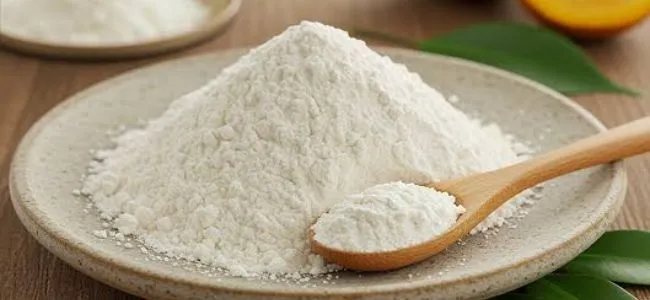
Polydextrose is a soluble fibre made by polymerising glucose, typically combined with small amounts of sorbitol and citric acid during manufacturing. It’s virtually tasteless, low in calories, and functions primarily as a bulking agent and functional fibre ingredient rather than a sweetener, which is what makes it such a versatile polydextrose food ingredient across a wide range of formulations, including but not limited to sugar reduction projects.
Unlike high-intensity sweeteners that replace sweetness alone, polydextrose addresses the structural side of a formulation. It contributes the bulk, texture, and mouthfeel that manufacturers rely on, whether they’re building fibre content into a product, adjusting texture, or reducing sugar while keeping the finished product close to its original form. This is why polydextrose is so often paired with sweeteners like monk fruit extract or stevia in a well-rounded reformulation strategy.
Polydextrose has been used in food manufacturing for decades and has an established safety and regulatory history in markets around the world, including Australia and New Zealand under the joint food standards code. This long track record, combined with its functional versatility as a fibre and bulking agent, is part of why it remains a first-choice ingredient for manufacturers looking for a proven, well-understood solution rather than a newer, less-tested alternative.
Polydextrose Benefits in Food Products
Understanding what polydextrose actually does inside a formulation helps explain why it has become a go-to functional ingredient for manufacturers, whether or not sugar reduction is the primary goal.
Soluble dietary fibre: As a soluble fibre, polydextrose passes largely undigested through the small intestine and is fermented in the colon, supporting its recognition as a prebiotic fibre ingredient in Australia. This allows manufacturers to pursue fibre-fortification claims as a core formulation objective, independent of any sugar-related goals.
Bulk and structure: Polydextrose is widely used to build volume and structure into a formulation, helping maintain fill weight, texture, and appearance. This makes it valuable whenever a formulation needs bulking, not only when sugar is being reduced. This is particularly important for packaged goods where volume and portion consistency affect both consumer perception and production efficiency.
Low calorie contribution: Polydextrose contributes roughly one calorie per gram, significantly less than sugar’s four calories per gram, making it a valuable tool for reduced-calorie and light product claims.
Moisture control: Polydextrose helps bind and retain moisture, which is particularly useful in baked goods, where it supports texture regardless of sugar content.
Neutral flavour profile: Because polydextrose is essentially tasteless, it doesn’t interfere with other flavours or sweeteners in a formulation, giving product developers more control over the final taste profile.
Heat and process stability: Polydextrose holds up well through baking, extrusion, and other common processing methods, making it suitable across a wide range of manufacturing environments.
Support for sugar reduction: In formulations where sugar reduction is a goal, polydextrose plays a supporting role by replacing the bulk sugar leaves behind, working alongside sweeteners to help maintain taste and texture. This is one of several applications for the ingredient, rather than its sole purpose.
How Polydextrose Functions Across Formulation Goals
Polydextrose’s versatility comes down to how it contributes to a formulation independent of any single objective. As a fibre and bulking agent, it can be used to fortify fibre content, build texture and structure, manage moisture, or extend shelf stability, in each case regardless of whether sugar reduction is also a goal.
Where sugar reduction is part of the brief, polydextrose’s role can be understood as dividing the labour of what sugar normally does. Sugar’s role in a formulation can be broken down into two main functions: sweetness and bulk. Polydextrose solves the bulk problem, while sweeteners like monk fruit extract, stevia, or trehalose solve the sweetness problem. Used together, this combination allows a formulation to look, feel, and taste close to its full-sugar counterpart, while genuinely reducing overall sugar content.
Applications of Polydextrose Across Food and Beverage Categories
Bakery: In cakes, biscuits, and bread, polydextrose contributes bulk, structure, and moisture-binding properties, supporting fibre fortification and texture, including in reduced-sugar recipes.
Dairy: In yoghurts and ice cream, polydextrose contributes body and creaminess while supporting fibre-enriched product claims, whether or not sugar content is also being adjusted.
Beverages: Polydextrose dissolves well in liquid formulations and can be used to add mouthfeel, body, and fibre content to drinks.
Confectionery: In candies and chewable products, polydextrose helps build texture and chew, working alongside sweeteners and other bulking agents to support fibre content and a familiar eating experience.
Cereal and snack bars: Polydextrose supports binding, texture, and fibre content in bars and cereals, helping products hold their shape and meet fibre-fortification goals.
Polydextrose vs Traditional Sugar in Food Production
When comparing polydextrose to traditional sugar, the differences are less about taste and more about function and nutritional impact. Sugar delivers sweetness, bulk, and browning in a single ingredient, but at a caloric and glycaemic cost that many manufacturers are now working to manage. Polydextrose, on the other hand, delivers bulk, texture, and dietary fibre at a fraction of the calories, and, where needed, requires pairing with a sweetening ingredient to fully replace sugar’s role.
For manufacturers, this means polydextrose isn’t simply a one-to-one sugar substitute. It’s best understood as a functional fibre and bulking ingredient in its own right, one that also happens to be highly effective as part of a broader sugar reduction system when combined thoughtfully with the right sweeteners and formulation adjustments for the specific product category.
Choosing the Right Polydextrose Supplier
Ingredient quality and consistency matter significantly when it comes to polydextrose, particularly for manufacturers running high-volume production. When sourcing food-grade polydextrose, look for a supplier who can offer:
- Consistent particle size and solubility for predictable performance across production batches
- Full technical documentation, including certificates of analysis and specification sheets
- Bulk supply capability to support scaling without disruption to production schedules
- Technical formulation support for guidance on usage rates across fibre-fortification, texture, and sugar-reduction applications
- A broader ingredient range, allowing polydextrose to be sourced alongside sweeteners like monk fruit extract, stevia, and trehalose from a single trusted partner
Working with an experienced Polydextrose ingredients supplier in Australia that understands how polydextrose performs across different applications takes much of the guesswork out of reformulation, helping manufacturers move from concept to production with confidence.
Final Thoughts
Polydextrose is, first and foremost, a soluble dietary fibre and bulking agent, one of the most versatile functional ingredients available to food and beverage manufacturers today. It builds structure, supports fibre-fortification claims, manages moisture, and reduces calories, all while remaining virtually tasteless. Where sugar reduction is also a goal, polydextrose plays a valuable supporting role, but that’s just one of the many ways manufacturers put it to work.
At Food Ingredient Australia, we supply food-grade polydextrose alongside a full range of functional and sugar reduction ingredients to help manufacturers formulate with confidence.
Frequently Asked Questions
1. What is polydextrose used for in food manufacturing?
A: Polydextrose is used primarily as a soluble fibre and bulking agent. It builds volume, texture, and moisture-binding properties into formulations across bakery, dairy, beverages, and confectionery, and can also support sugar-reduction strategies.
2. Does polydextrose taste sweet?
A: No. Polydextrose is virtually tasteless. In formulations where sweetness is required, it’s typically combined with a sweetener such as monk fruit extract or stevia.
3. Is polydextrose a good source of fibre?
A: Yes. Polydextrose is a soluble fibre that is largely undigested in the small intestine and fermented in the colon, allowing manufacturers to support fibre-fortification claims in eligible products.
4. Can polydextrose fully replace sugar in a recipe?
A: Polydextrose replaces sugar’s bulk and texture, but not its sweetness. In sugar-reduction formulations, it’s usually paired with a sweetening ingredient to fully replicate sugar’s role.
5. How many calories does polydextrose contain compared to sugar?
A: Polydextrose contains approximately one calorie per gram, compared to sugar’s four calories per gram, making it a useful ingredient for reduced-calorie and fibre-fortified product claims.