Moisture loss, texture breakdown, and shortened shelf life are among the most common quality issues food manufacturers face. A product that dries out too quickly, turns grainy after freezing, or firms up on the shelf faster than expected creates real problems, from increased waste and returns to inconsistent quality that customers notice.
Trehalose has become one of the most reliable ingredients for addressing these challenges directly. As a functional humectant, its role in a formulation isn’t about sweetness at all; it’s about how it behaves structurally within a product, helping retain moisture, protect texture, and extend shelf life across a wide range of manufacturing conditions. For manufacturers evaluating a trehalose supplier in Australia, understanding exactly how this ingredient functions is the first step to using it effectively.
What Is Trehalose?
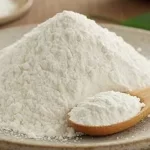
Trehalose is a naturally occurring disaccharide made up of two glucose molecules. It occurs in small amounts in foods such as mushrooms, honey, and shellfish, and is produced at commercial scale through an enzymatic conversion of starch.
What sets trehalose apart from many other functional ingredients is its dual role as both a humectant and a bioprotectant. As a humectant, it has a strong ability to attract and bind moisture within a product’s structure. As a bioprotectant, it helps shield proteins, fats, and cell structures from the damage that occurs during freezing, drying, heating, and oxidation. Together, these two properties are what give trehalose its reputation as a genuinely functional ingredient rather than a simple additive.
Trehalose has a long history of commercial use in food manufacturing, particularly in Japan, where it has been applied across rice products, seafood processing, and baked goods for decades. Its use in Australia has grown as local manufacturers look for evidence-based ingredients that solve moisture, texture, and shelf-life challenges directly, rather than relying on ingredients that simply delay the appearance of quality loss.
The Four Key Benefits of Trehalose in Food Manufacturing
1. Moisture Retention (Humectant Properties)
Trehalose’s core function as a humectant is its ability to bind and retain moisture within a product’s structure over time. This is particularly valuable in baked goods, where moisture loss is one of the leading causes of staling, and in any product where a consistent, moist texture needs to be maintained across an extended shelf life.
By holding onto moisture at a molecular level, trehalose helps prevent the drying out that leads to a harder, less appealing eating experience. This is especially useful in products that spend extended periods in transit or on shelf before reaching the consumer, where moisture loss would otherwise be difficult to control.
2. Texture Protection
Trehalose has a distinct ability to protect proteins, fats, and cell structures from the physical damage caused by freezing, drying, heat exposure, and oxidation. This protective mechanism is often referred to as bioprotection.
During freezing, ice crystals can rupture cell walls and damage protein structures, which is what causes the mushy or grainy texture often noticed in poorly protected frozen products once thawed. Trehalose forms a protective barrier around these structures, helping them hold their original form through freeze-thaw cycles. This makes it particularly valuable for manufacturers of frozen desserts, ready meals, and seafood products, where texture degradation during storage and distribution is a common and costly quality issue.
In confectionery applications, trehalose’s texture-protective properties also help prevent unwanted crystallisation, keeping products smooth and consistent from the point of production through to the end of their shelf life.
3. Shelf-Life Improvement
Because trehalose retains moisture and protects product structure at the same time, it directly supports longer, more stable shelf life. In baked goods, staling is largely driven by moisture migration and starch retrogradation, the process by which starch molecules realign after baking and cause bread or cake to firm up over time. Trehalose helps slow this process, extending the window during which a product feels genuinely fresh.
For manufacturers managing longer supply chains or extended retail shelf periods, this translates directly into reduced waste, fewer product returns, and a more consistent experience for the end consumer. It also gives quality assurance teams a more predictable, stable baseline, since products treated with trehalose are less likely to show significant texture or moisture variance between production and point of sale.
4. Stability During Processing and Storage
Trehalose remains stable across a wide range of processing conditions, including the heat involved in baking or pasteurisation and the physical stress of freezing and thawing. This reliability makes it a practical ingredient to incorporate early in the manufacturing process, since its protective properties hold up through to the finished product without requiring specialised handling.
This processing stability also gives manufacturers flexibility in how trehalose fits into existing production lines. Because it doesn’t break down or lose effectiveness under typical processing stresses, it can generally be added at standard mixing stages rather than requiring late-stage dosing or specialised equipment, which simplifies its integration into established formulations.
Practical Applications Across Food Categories
Bakery: Trehalose helps extend the perceived freshness of bread, cakes, and pastries by slowing moisture loss and starch retrogradation, reducing staling complaints and extending saleable shelf life.
Frozen desserts: In ice cream and frozen novelties, trehalose helps control ice crystal formation during freeze-thaw cycles, one of the leading causes of grainy texture in frozen products exposed to temperature fluctuations during transport or storage.
Dairy: In yoghurts, flavoured milks, and processed dairy products, trehalose helps stabilise texture and moisture content, particularly where products are exposed to chilling, freezing, or fluctuating storage conditions during distribution.
Confectionery: Trehalose’s low hygroscopicity supports a smooth, stable texture and helps prevent unwanted crystallisation over the course of a product’s shelf life.
Seafood and meat processing: Trehalose is widely used to protect protein structure during freezing and thawing, helping preserve texture and reduce drip loss in frozen seafood and meat products.
Dried and dehydrated products: In dried fruit, jerky, and freeze-dried foods, trehalose’s moisture-retaining and protective properties help maintain texture and reduce the brittleness that can develop during drying and storage.
How Trehalose Is Typically Used in Formulations
Trehalose is generally incorporated at inclusion rates of around 1 to 10 percent of formulation weight, depending on the application and the specific outcome being targeted, whether that’s moisture retention in a baked product or freeze-thaw protection in a frozen dessert. It is stable across a wide pH and temperature range, which typically allows it to be added at standard mixing stages without the need for specialised processing equipment.
It’s common for trehalose to be used alongside other humectants and stabilisers, such as glycerin, sorbitol, or specific starch systems, rather than as a stand-alone solution. Compared to glycerin, which is a strong humectant but can introduce a noticeable taste or texture at higher concentrations, trehalose offers a more neutral sensory profile while also contributing bioprotective benefits that glycerin does not provide. This makes it a useful component in blended humectant systems where formulators want moisture control without altering the eating experience of the final product.
As with any functional ingredient, exact usage rates should be validated through bench trials specific to the product matrix, since performance can vary depending on other ingredients present, processing conditions, and the specific shelf-life outcome required.
Regulatory Status
Trehalose is an approved food ingredient under the Australia New Zealand Food Standards Code, providing manufacturers with a well-established regulatory pathway for its use across a broad range of product categories. As with any functional ingredient, manufacturers should confirm current permitted uses and any applicable labelling requirements for their specific product category before formulating.
Choosing the Right Trehalose Supplier
Not every supplier can guarantee the same level of purity, consistency, or documentation. When evaluating a trehalose supplier in Australia, manufacturers should consider:
- Product purity and consistency across every batch
- Full technical documentation, including certificates of analysis and specification sheets
- Bulk supply capability to support scaling production without disruption
- Local support for faster turnaround and easier communication
- Broader ingredient range, so trehalose can be sourced alongside complementary functional ingredients from a single trusted partner
Final Thoughts
Trehalose has earned its place as a genuinely functional humectant, valued for its ability to retain moisture, protect texture, and support shelf-life stability across a wide range of food categories. For manufacturers focused on reducing staling, protecting texture through freezing and processing, and extending shelf life, understanding how trehalose works is the foundation for using it effectively in formulation.
At Food Ingredient Australia, we supply trehalose and a full range of functional ingredients to help manufacturers build products that hold their quality from production through to the point of sale. Reach out to our team to request a sample, technical documentation, or formulation guidance for your specific application.
Frequently Asked Questions
1. What does it mean that trehalose is a functional humectant?
A: It means trehalose’s primary role in a formulation is to attract and retain moisture within a product’s structure, helping maintain texture and freshness over time, rather than being used for sweetness.
2. How does trehalose protect texture during freezing?
A: Trehalose forms a protective barrier around proteins and cellular structures, helping prevent the damage ice crystals typically cause during freezing, allowing products to retain their original texture once thawed.
3. How does trehalose help extend shelf life?
A: By retaining moisture and protecting product structure at the same time, trehalose slows processes like staling and texture degradation, helping products maintain quality for longer during storage and distribution.
4. Is trehalose stable during food processing?
A: Yes. Trehalose remains stable across a wide range of heat and freezing conditions, making it reliable to incorporate at standard stages of the manufacturing process without special handling requirements.
5. How much trehalose is typically used in a formulation?
A: Inclusion rates generally range from around 1 to 10 percent of formulation weight, depending on the application and desired outcome. Usage rates should be validated through bench trials for the specific product.
6. How does trehalose compare to other humectants like glycerin?
A: Trehalose offers a more neutral sensory profile than glycerin at comparable inclusion levels, while also providing bioprotective benefits for proteins and cell structures that glycerin does not offer.
7. What industries benefit most from using trehalose?
A: Bakery, confectionery, dairy, frozen foods, dried and dehydrated products, and seafood or meat processing benefit most, particularly where moisture retention, freeze-thaw stability, or shelf-life extension are priorities.