Fibre enrichment has become a core formulation goal for food manufacturers, not just a side benefit. Polydextrose is one of the most widely used ingredients in this space. This soluble food fibre also brings useful functional properties to a formulation, including bulking, texture support, and moisture management.
This guide looks at polydextrose primarily through that lens: as a food fibre first, with its functional and textural properties as valuable, but secondary, benefits that support a wide range of applications, including (but not limited to) reduced-sugar formulations.
What Is Polydextrose?
Polydextrose is a soluble food fibre used across a broad range of food and beverage applications. It’s classified as E 1200 and is recognised for several functions in a formulation:
- Soluble food fibre, contributes to the total dietary fibre content of a product
- Prebiotic food fibre, supports formulations positioned around gut health and fibre enrichment
- Bulking agent, adds solids and body to a formulation
- Humectant, supports moisture management
- Stabiliser and thickener, contributes to texture and structural consistency
- Glazing agent, used in select coating and finishing applications
Unlike conventional sugar, polydextrose is not primarily used to provide sweetness. Its core value lies in its fibre content and its functional characteristics, which is why it’s typically evaluated as a fibre-enrichment ingredient first, with its textural contributions considered alongside that role.
Key Fibre and Functional Benefits of Polydextrose
- Soluble dietary fibre contribution: As a soluble food fibre, polydextrose can be used to increase the fibre content of a formulation, supporting products positioned around fibre enrichment or modified nutritional profiles.
- Prebiotic potential: Polydextrose is recognised as a prebiotic food fibre, relevant for manufacturers developing products with a gut-health or digestive wellness positioning.
- Bulking support: Polydextrose can be used as a bulking ingredient to add solids and body to a formulation, which is particularly useful in products where other bulk-contributing ingredients have been reduced or removed.
- Moisture management:nt Listed as a humectant, polydextrose can support moisture retention and distribution within a food matrix, which is relevant to both texture and shelf-life characteristics, though the actual effect depends on the specific formulation.
- Texture and mouthfeel support:t Polydextrose can contribute to body, texture, and mouthfeel in suitable applications. FIBREDEX® Polydextrose is specifically noted for supporting mouthfeel improvement, including a creamier texture and better body, when incorporated appropriately into a formulation.
- Stabilising and thickening functionality: As a stabiliser and thickener, polydextrose can support structural consistency in a range of formulations, particularly where other structural ingredients have been adjusted.
Where Fibre-Focused Formulation Meets Texture
Fibre-enriched reformulation often creates the same kind of formulation gap that sugar reduction does; removing or adding solids changes how a product behaves. This is where polydextrose’s dual role becomes useful:
- It contributes fibre content toward a fibre-enrichment or nutritional claim
- It simultaneously helps offset the bulk, body, and moisture changes that can occur when a formulation is adjusted
This means polydextrose can be evaluated as part of a broader formulation strategy, not only for fibre-enriched products, but also in reduced-sugar, modified-nutrition, or reformulated products where manufacturers need a functional ingredient that does more than one job.
Polydextrose in Reduced-Sugar Formulations
While polydextrose is primarily introduced here as a food fibre, it’s worth noting that it can also play a supporting role in reduced-sugar formulations, though it should not be treated as a one-to-one sugar replacement. Sugar contributes bulk, structure, moisture balance, and browning characteristics in addition to sweetness, so a reformulation typically requires a broader strategy involving sweeteners, fibre, water content, and stabilisation, rather than a single substitute ingredient.
In this context, polydextrose’s fibre and bulking properties can help offset some of the solids lost when sugar is reduced, while also contributing to the product’s fibre content.
Food Applications of Polydextrose
Polydextrose has applications across a broad range of food categories:
- Bakery goods, supports bulk and texture in fibre-enriched or reformulated recipes
- Beverages and nutritional products, evaluated for solubility, viscosity, and fibre content
- Confectionery, supports structure and texture alongside other functional ingredients
- Dairy and dairy alternatives, supports body and smoothness in yoghurt-style and dairy dessert formulations
- Snacks and cereals, contributes fibre and functional properties to reformulated products
- Protein bars, supports texture and fibre content
- Ice cream and frozen desserts, supports body and mouthfeel where formulations are modified
- Chocolates, used alongside other functional and structural ingredients
- Nutraceuticals, used for fibre enrichment in functional food and supplement formats
What Should Manufacturers Consider When Using Polydextrose?
The effectiveness of polydextrose depends on how it interacts with the complete formulation. Before commercial production, manufacturers should evaluate:
- Product objective: whether polydextrose is being used primarily for fibre enrichment, bulk, mouthfeel, texture, moisture management, or a combination
- Ingredient compatibility, how it interacts with sweeteners, proteins, fats, starches, stabilisers, flavours, and other fibres
- Processing conditions, mixing, heating, cooling, drying, freezing, and other steps that can influence final characteristics
- Sensory performance, texture, mouthfeel, taste, and overall consumer acceptability during product development
- Regulatory and labelling requirements, confirming the ingredient, grade, intended use, and final claims comply with relevant food regulations in the target market
Choosing Food-Grade Polydextrose
Selecting an appropriate polydextrose food grade is an important procurement decision. Manufacturers should evaluate:
- Product specifications and grade
- Suitability for the intended application
- Batch consistency
- Documentation and regulatory suitability
- Packaging and minimum order quantities
- Storage requirements
- Supply reliability and technical support
A low ingredient price alone doesn’t necessarily represent the best commercial option; consistent quality and dependable supply matter just as much, particularly in high-volume manufacturing.
What Influences Polydextrose Bulk Price?
The bulk price of polydextrose food powder can vary depending on:
- Order volume
- Packaging format
- Product specifications
- Shipping requirements and delivery location
- Supply availability
- Contract arrangements and purchase frequency
Manufacturers looking for a polydextrose bulk price should share their expected requirements directly with the supplier rather than relying on a generic market price, and should compare documentation, consistency, and supply capability alongside cost.
Sourcing FIBREDEX® Polydextrose from Food Ingredient Australia
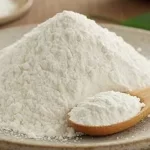
FIBREDEX® Polydextrose is the soluble food fibre supplied by Food Ingredient Australia for use across food and beverage applications. It’s listed as E 1200 and supplied as a powder, described for functions including bulking, glazing, humectant, stabilising, and thickening, reflecting its role as a fibre ingredient with added functional value.
FIBREDEX® Polydextrose is available in 25 kg packaging, with a minimum order quantity of 25 kg, and is listed for applications including bakery goods, beverages, confectionery, dairy and dairy alternatives, snacks and cereals, protein bars, ice cream, chocolates, and nutraceuticals.
For manufacturers evaluating GOS polydextrose wholesale options, it’s worth noting that Food Ingredient Australia lists FIBREDEX® Polydextrose and FIBREDEX® GOS as separate ingredients, so buyers should select based on their specific formulation requirements. Manufacturers can review the FIBREDEX® Polydextrose product information and contact Food Ingredient Australia to discuss sourcing and application requirements.
FAQs
1. Is polydextrose classified as a fibre?
A: Yes. Polydextrose is a soluble food fibre, and it’s also recognised as a prebiotic food fibre, making it relevant for products positioned around fibre enrichment or gut health.
2. What is polydextrose used for in food products?
A: Polydextrose is primarily used as a soluble food fibre. Depending on the formulation, it also contributes functional properties including bulk, body, mouthfeel, moisture management, and stabilisation.
3. Can polydextrose replace sugar?
A: Polydextrose should not automatically be considered a direct one-to-one replacement for sugar. It can, however, be evaluated as a supporting ingredient in reduced-sugar formulations, contributing bulk and fibre content while sweetness is addressed through other ingredients.
4. Does polydextrose improve mouthfeel?
A: Yes, in suitable formulations. FIBREDEX® Polydextrose is specifically described as supporting mouthfeel improvement, including a creamier texture and better body.
5. What products can use polydextrose?
A: Polydextrose can be considered across bakery products, beverages, confectionery, dairy and dairy alternatives, snacks, cereals, protein bars, ice cream, chocolates, and nutraceutical products.
6. What should I consider when buying food-grade polydextrose?
A: Manufacturers should review product specifications, grade, application suitability, documentation, packaging, supply consistency, regulatory requirements, and technical support before purchasing.
7. Where can manufacturers source polydextrose in Australia?
A: Food manufacturers can source FIBREDEX® Polydextrose from Food Ingredient Australia and contact the supplier for product documentation and commercial sourcing information.
Key Takeaways for Food Manufacturers
- Polydextrose is primarily a soluble, prebiotic food fibre, with functional and textural benefits as a secondary advantage
- It can contribute bulk, body, mouthfeel, and moisture management in suitable formulations.
- It should not automatically be treated as a one-to-one sugar replacement, though it can support reduced-sugar formulation.
- Formulation trials are essential, as results vary between applications
- Product specifications, food-grade suitability, and regulatory compliance should be confirmed before commercial use
- Supplier consistency, technical documentation, and reliable supply are important purchasing considerations
Ultimately, polydextrose’s role as a food fibre is its primary value proposition, with its contribution to bulk, texture, and moisture management supporting a wide range of formulation goals, from fibre enrichment to broader reformulation projects. Manufacturers can explore FIBREDEX® Polydextrose and contact Food Ingredient Australia to discuss sourcing and application requirements.